Techical support
ANTI-THEFT SYSTEMS
ON PREMISES

Techical support
ON PREMISES
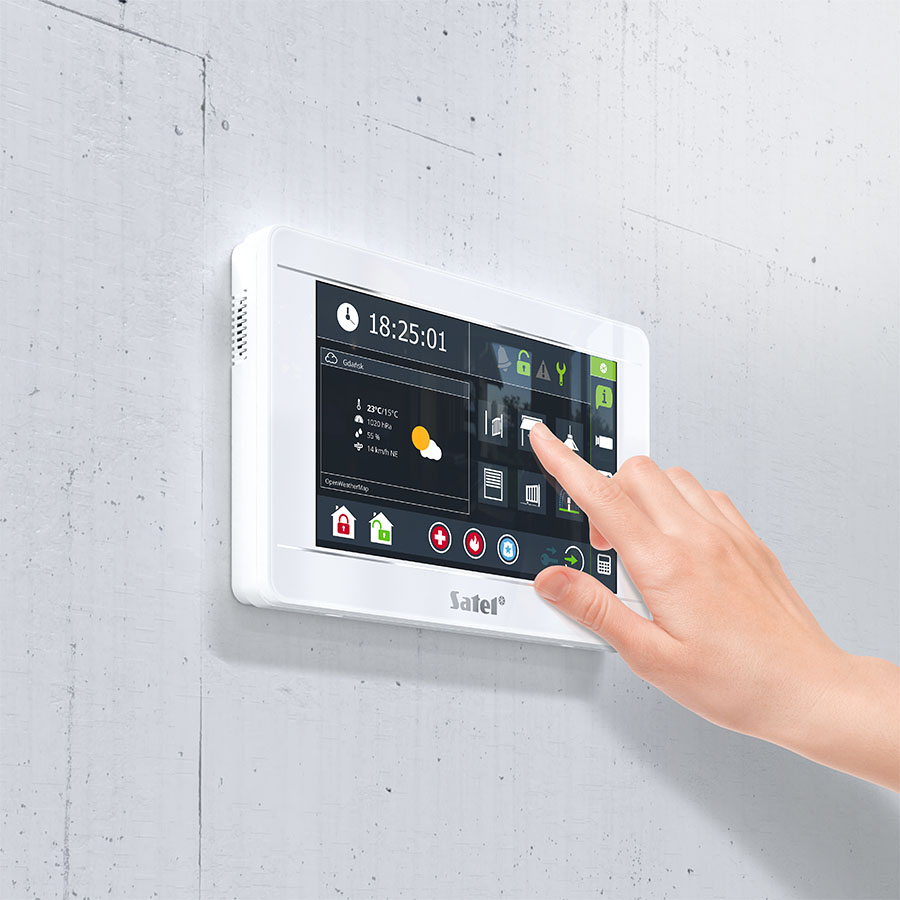
Anti-theft systems have been in use for decades and have not changed crucially in terms of operation. The principle of protection remains the same and the whole process can be described in a few steps:
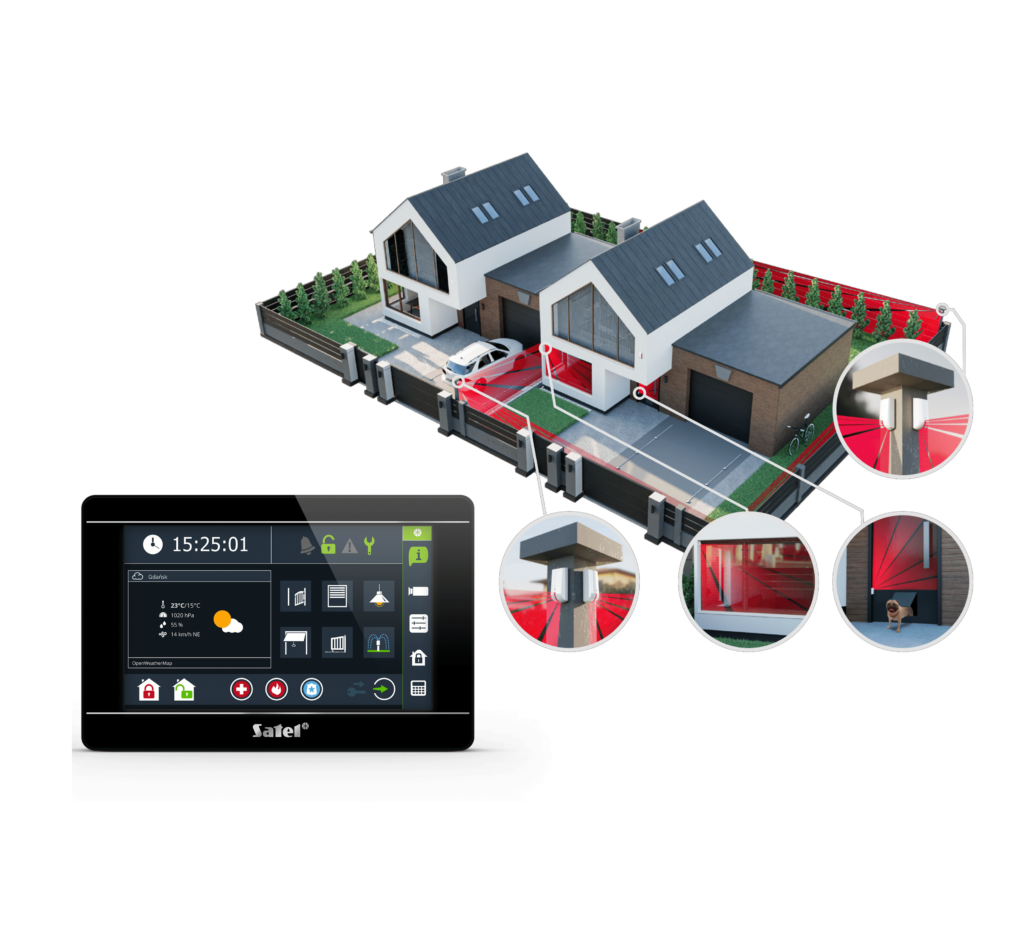
As technology has advanced over the years, these systems have gotten better. Initially, the sensors were reduced to magnetic contacts that could detect the opening of windows or doors, but this technology could be easily deceived using a strong magnet on the other side. Additionally, if a burglar broke the glass and entered through a window, the magnetic sensor wouldn't register it.
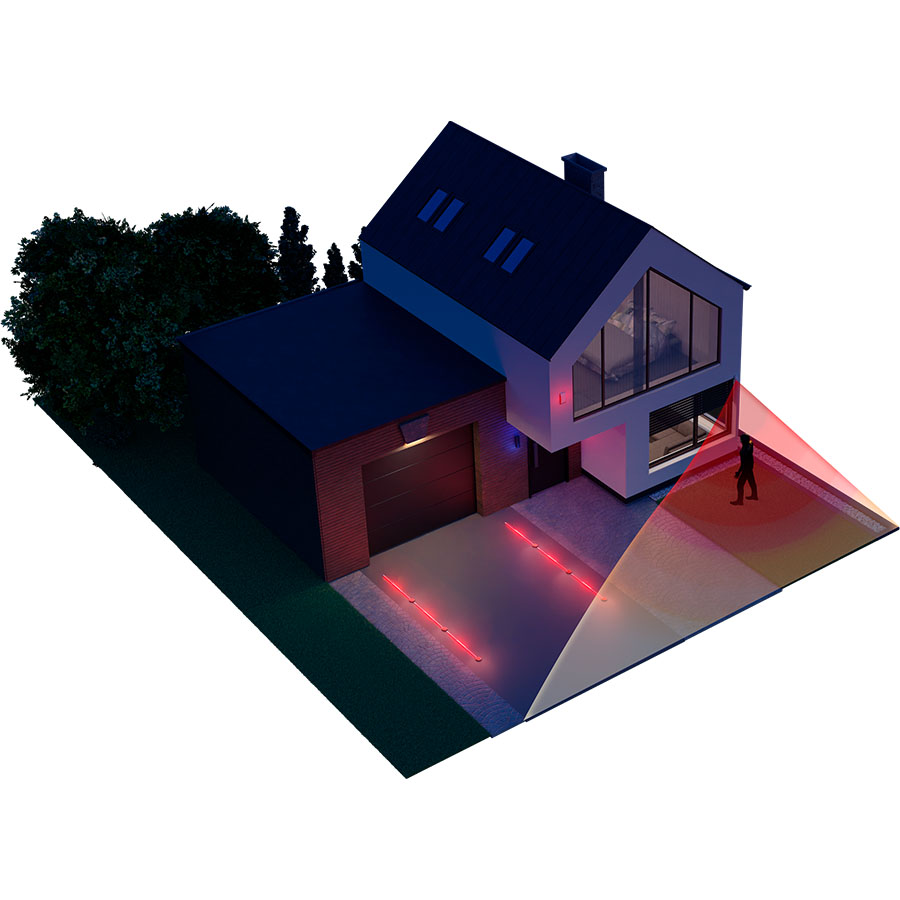
So it was necessary to have a more reliable system and that's how they came into being the first infrared sensors that could detect presence in space.
Later, these sensors experienced numerous improvements to become even more reliable and the number of false alarms was reduced to a minimum. Other elements of the system such as sirens, telephone notifications, keyboards for entering the code... They have remained unchanged to this day.
Here's a real-life example of how reliability we're talking about plays a key role:
Imagine that you went on vacation, relaxed because you secured your property with an anti-burglary system that you previously armed. You've traveled far and you're hours away. But during the rest and complete relaxation, your phone rings and you see that a phone call from the house is calling you.
Since this is the sole technical protection system in place, noticing a zone violation without knowing the specifics can be alarming. When your vacation is disrupted by such alerts and you're too far from home to verify the situation personally, it's natural to quickly reach out to neighbors, friends, and relatives to check on your property.

Imagine this scenario unfolding in the early morning hours: your phone calls go unanswered, and you're uncertain whether to persist in calling or cut your vacation short and return home.
After an hour, you somehow manage to wake up a relative and he goes to your house only to realize that a sensor in that zone has triggered a false alarm. Besides this, your neighbors won't be happy either, because your siren woke them up during the night.
The aforementioned example underscores the critical need for these systems to be dependable. Additionally, they must be adaptable, offering a range of options. Commonly, fire sensors, glass break detectors, and magnetic contacts, as previously discussed, are integrated into these systems. Consequently, anti-burglary systems are enhanced, becoming more intelligent and capable of alerting you to various incidents within your premises.
Together, we can assess your needs and propose the most optimal solution, which will encompass not only the anti-theft system but also the integration with an additional technical security system, such as video surveillance, to provide a comprehensive security setup. Thus, in the event of a false alarm, you would be able to personally verify its authenticity and ensure it is not an actual break-in.

 EN
EN  SR
SR