Telecommunication
WIRELESS ACCESS NETWORKS
ON PREMISES


Telecommunication
ON PREMISES
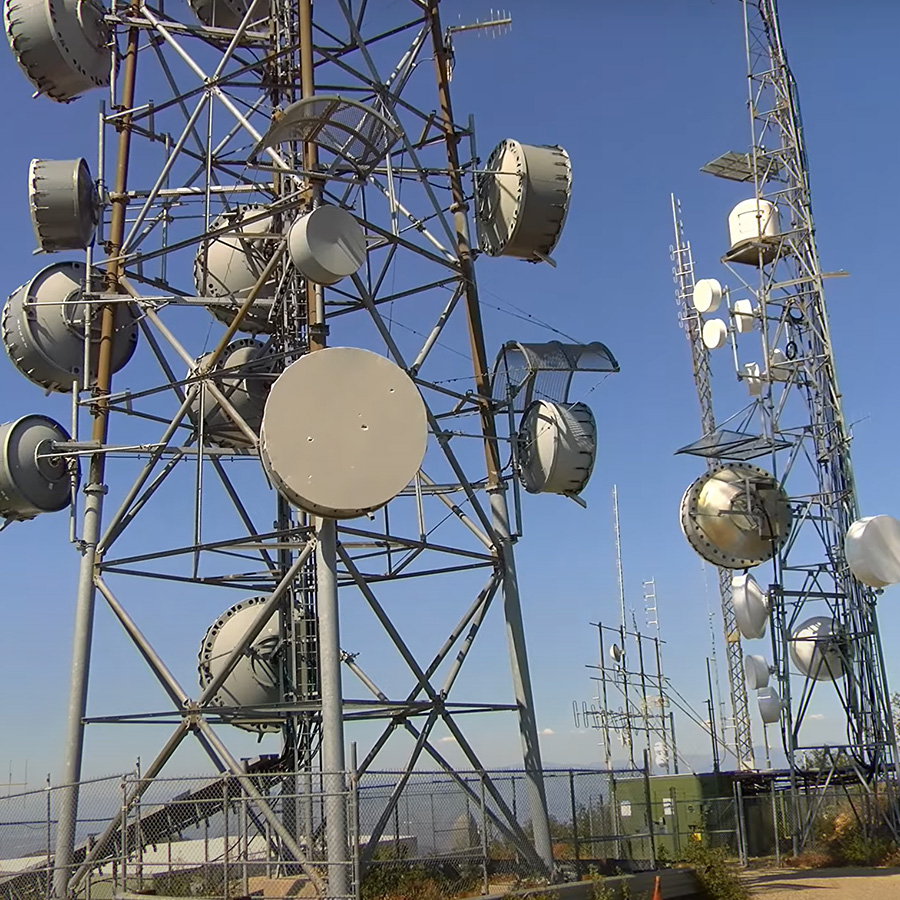
The most common users of this type of transmission are mobile operators and Internet service providers, but this does not exclude the possibility that private users (business systems) use this approach in order to quickly and without much investment connect two or more remote locations.
Each of us is wirelessly connected to a user network on the go. These are mostly mobile phones, tablets and computers via mobile phones or WiFi. However, wireless networks play a different role.
These are static systems, and their purpose is to transmit some signal wirelessly, securely with guaranteed reliability between two points. If viewed hierarchically, they are located at a level above the user networks described above and are used to deliver a large number of signals to some mobile phone base station serving dozens of users.
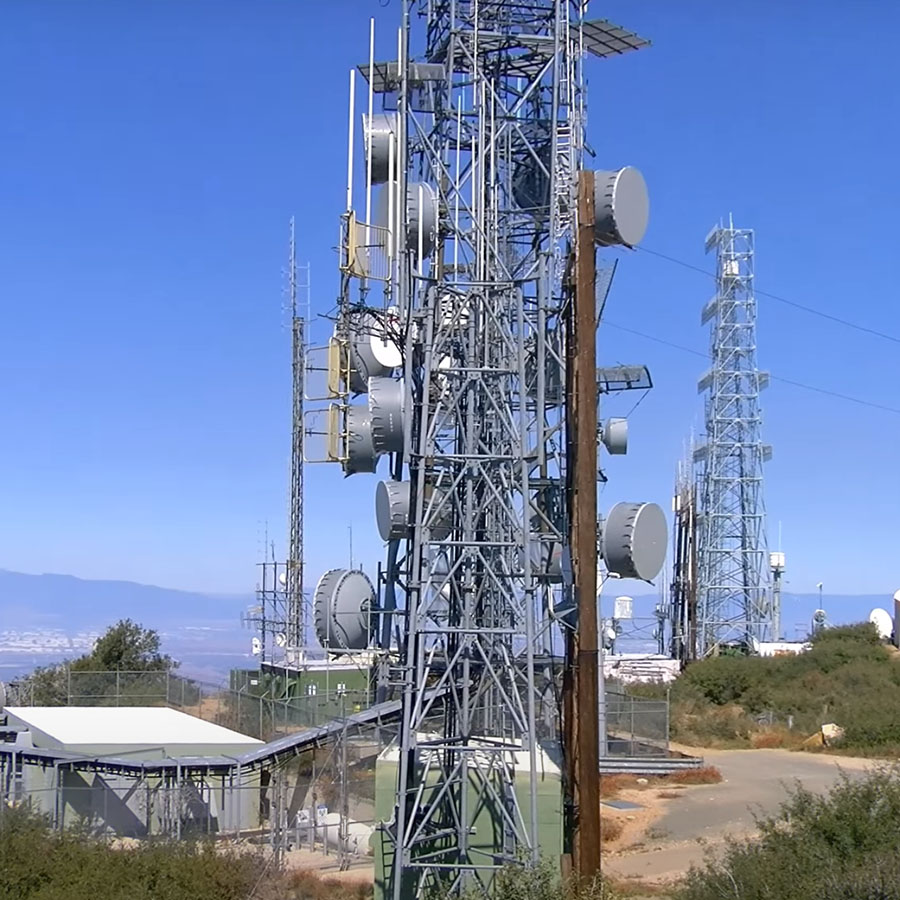
With the advancement of wireless access technology, today we have the ability to transfer huge amounts of data incredibly fast. Although these systems will never be able to completely replace optical networks (according to speed and reliability), when you compare the prices of these two systems, wireless access networks in many cases win.
Victory is always in rural areas where it is unprofitable to lay fiber optic cables, and there are more and more cases where victory is also in urban conditions such as cities. The reason is expensive building permits for digging up streets and everything that carries with it (time for issuing these permits and the cost of laying fiber optic cable per meter).
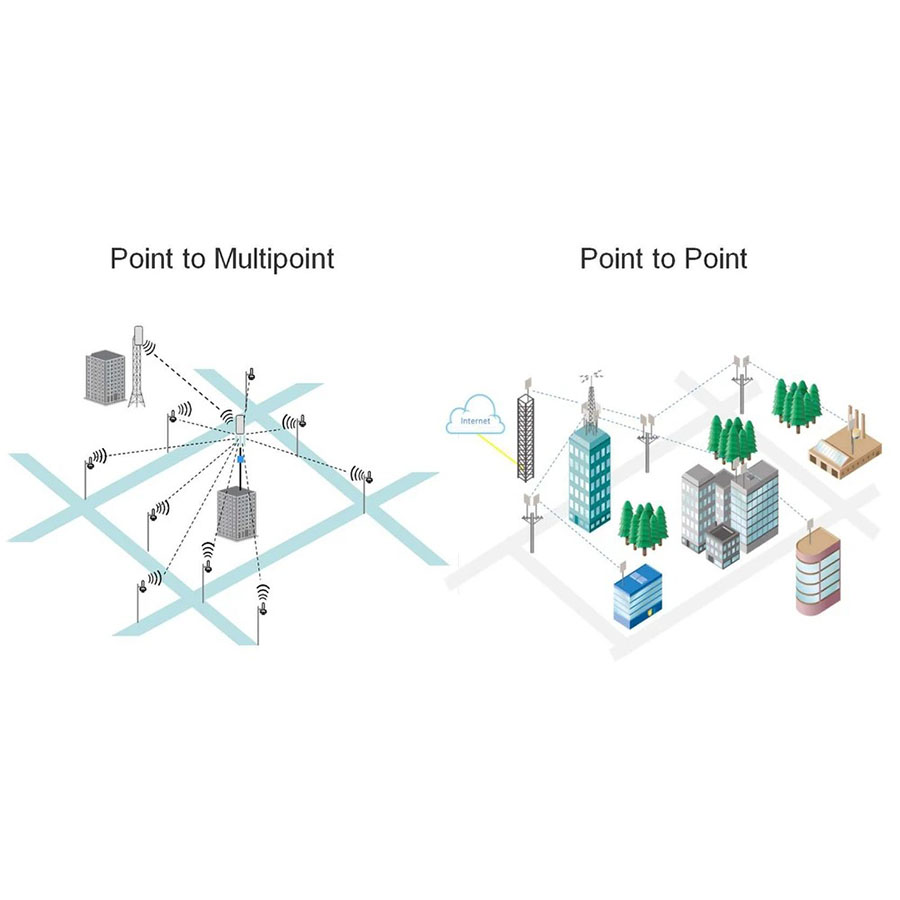
Wireless access systems can be divided in several ways. The first and most common is a point to point or a central point to multipoint. The second is by the frequency range at which the system operates: license range (requires a radio license) or non-license range (does not require a radio license).
Depending on the needs and area in which this wireless transmission should be realized, it is determined which system will be used.
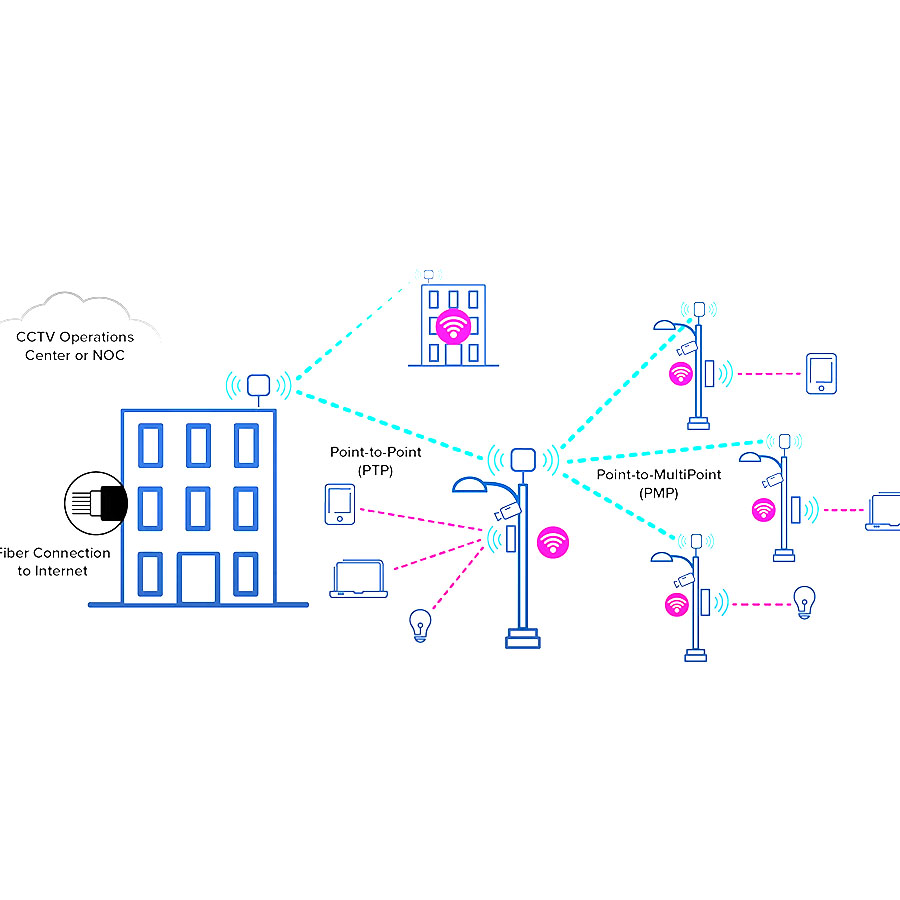
It often happens that the entire system is implemented by a combination of the above-mentioned options in such a way that to cover several smaller users in a particular area, an approach is used central point - multipoint in an unlicensed range, while large amounts of data to a central point are used point-to-point access in the licensed range.
This provides a secure connection to transmit a large amount of the main signal to the base station that uses that signal to serve multiple end users in the unlicensed range.

Our partner Cambium Networks is considered one of the best manufacturers in the world in this field. Both with their tradition and portfolio in which they have all the above-mentioned system options and more.
The foundation of a high-quality wireless network is rooted in thorough planning and design, which is precisely the role of the manufacturer's software tool, Link-Planner.
Later, for reliable operation, it is necessary to provide a software tool for monitoring and managing the system – cnMaestro. In the unlicensed range, this system uses special mechanisms and methods to defend against interference in urban areas, thus ensuring reliable connections in almost all conditions.
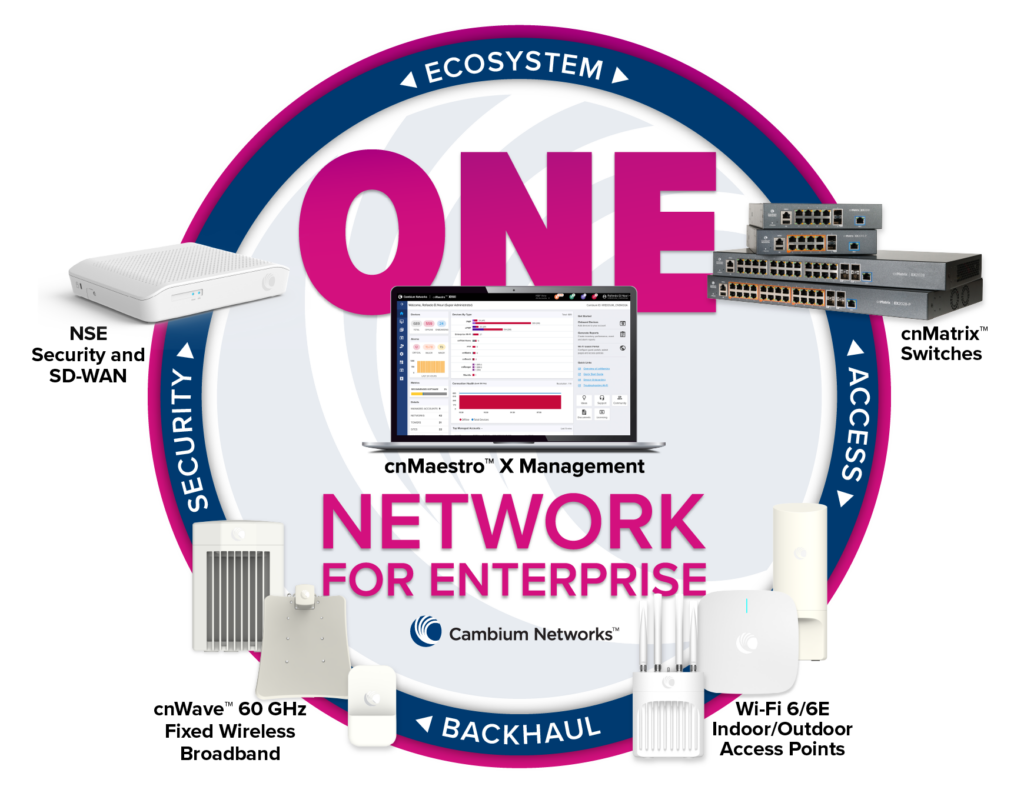
The reasons for placing our trust in this manufacturer include:
Thus, an end-to-end system is established, offering a single point of contact for all inquiries. As system integrators, this is our most crucial starting point, as it enables us to deliver the highest level of support to our customers.
Email us! We provide to all our existing and future customers following::
 EN
EN  SR
SR